
Cultivated Mushrooms

Agaricus bisporus is an edible basidiomycete mushroom native to grasslands in Europe and North America. It has two color states while immature—white and brown—both of which have various names.
Source: Wikipedia

Agaricus bisporus is an edible basidiomycete mushroom native to grasslands in Europe and North America. It has two color states while immature—white and brown—both of which have various names.
Source: Wikipedia

The shiitake (Lentinula edodes) is an edible mushroom native to East Asia, which is cultivated and consumed in many Asian countries. It is considered a medicinal mushroom in some forms of traditional medicine.[1]
Source: Wikipedia

Pleurotus is a genus of gilled mushrooms which includes one of the most widely eaten mushrooms, P. ostreatus. Species of Pleurotus may be called oyster, abalone, or tree mushrooms, and are some of the most commonly cultivated edible mushrooms in the world.[1] Pleurotus fungi have been used in mycoremediation of pollutants such as petroleum andpolycyclic aromatic hydrocarbons.[2][3]
Source: Wikipedia

Pleurotus eryngii (also known as king trumpet mushroom, French horn mushroom, king oyster mushroom, king brown mushroom, boletus of the steppes, trumpet royale) is an edible mushroom native to Mediterranean regions of Europe, the Middle East, and North Africa, but also grown in many parts of Asia.[1]
In Italian it is called cardoncello; in Chinese, it is called xìng bào gū (杏鮑菇, lit. "apricot abalone mushroom"), cì qín gū (刺芹菇, lit. "thorny celery mushroom"), or cì qín cè ěr (刺芹側耳, lit. "thorny celery bended ear"); in Korean, it is called "saesongi peoseot" (새송이버섯, lit. "new pine mushroom"); in Japanese, it is called eringi (katakana: エリンギ).[2]
Source: Wikipedia

Hericium erinaceus (also called Lion's Mane Mushroom, Bearded Tooth Mushroom, Satyr's Beard, Bearded Hedgehog Mushroom, pom pom mushroom, or Bearded Tooth Fungus) is an edible and medicinal mushroom belonging to the tooth fungus group. Native to North America, Europe and Asia it can be identified by its long spines (greater than 1 cm length), its appearance on hardwoods and its tendency to grow a single clump of dangling spines.[1] Hericium erinaceus can be mistaken for other species of Hericium, all popular edibles, which grow across the same range. In the wild, these mushrooms are common during late summer and fall on hardwoods, particularly American Beech.

Enokitake (榎茸, エノキタケ, Japanese pronunciation: [enokitake], /ɨˌnoʊkiˈtɑːkiː/), also Enokidake (榎茸, エノキダケ, Japanese pronunciation: [enokidake], /ɨˌnoʊkiˈdɑːkiː/) or Enoki (榎, エノキ, Japanese pronunciation: [enoki], /ɨˈnoʊki/),[1] is a long, thin white mushroom used in East Asian cuisine (such as that of China, Japan, Vietnam and Korea). These mushrooms are cultivars of Flammulina velutipes, also known by the name golden needle mushroom orlily mushroom.[2] Wild forms differing in color, texture, and sliminess are called names including seafood mushrooms, winter mushrooms or winter fungus, velvet foot, velvet stem or velvet shank.[3]

Lepista nuda (also recognized as Clitocybe nuda and Tricholoma nudum, and commonly known as the wood blewit or blue stalk mushroom), is an edible mushroom, found in bothconiferous and deciduous woodlands. It is a fairly distinctive mushroom that is widely eaten, though there is some caution about edibility. Nevertheless it has been cultivated in Britain, theNetherlands and France.[2]
Source: Wikipedia

The Hypsizygus tessellatus or shimeji is an edible mushroom native to East Asia. Buna shimeji is cultivated locally in temperate climates in Europe, North America and Australia and sold fresh in super markets. In nature, shimeji are gilled mushrooms that grow on wood. Most often the mushroom is found on beech trees, hence the common name, Beech Mushroom. They are often small and thin in appearance and popular in many nations across the world.[1]
Source: Wikipedia

Grifola frondosa is a polypore mushroom that grows in clusters at the base of trees, particularly oaks. The mushroom is commonly known among English speakers as hen-of-the-woods, ram's head and sheep's head. It is typically found in late summer to early fall. In the United States' supplement market, as well as in Asian grocery stores, the mushroom is known by its Japanese name maitake (舞茸), which means "dancing mushroom".
Source: Wikipedia

Prepared in-house daily with a blend of Organic White Shimeji, Brown Shimeji, Maitake, Oyster, and Crimini
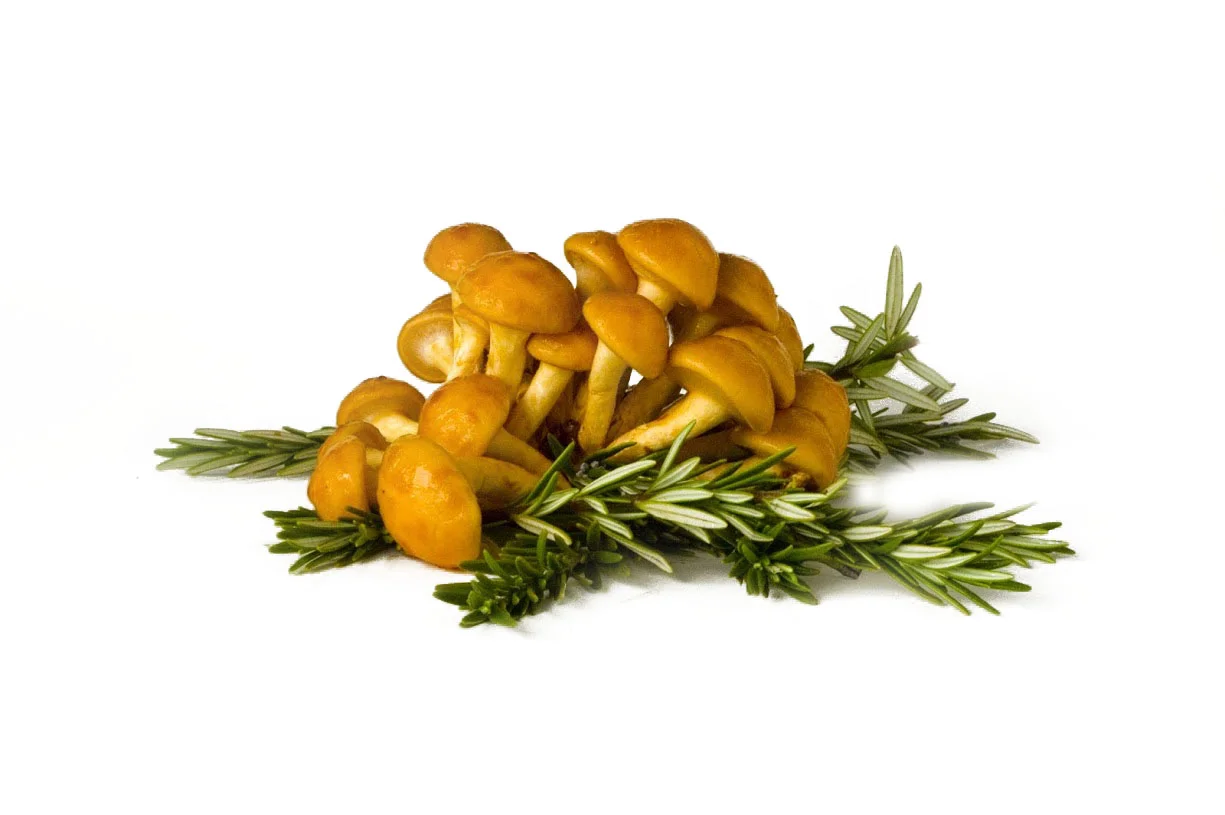
Pholiota microspora, commonly known as Pholiota nameko or shortly nameko (ナメコ?),[1] is a small, amber-brown mushroom with a slightly gelatinous coating that is used as an ingredient in miso soup and nabemono. In some countries this mushroom is available in kit form and can be grown at home. It is one of Japan's most popular cultivated mushrooms, tastes slightly nutty and is often used in stir-fries.
Source: Wikipedia
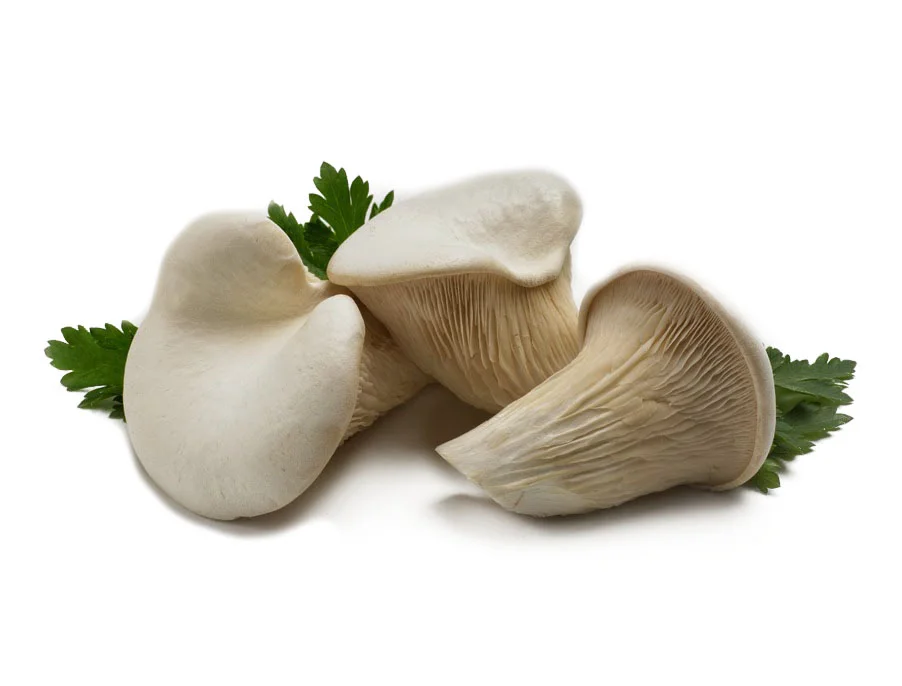
The Abalone mushroom, scientific name Pleurotus cystidiosus, is also known as the White Elf, King mushroom and the Akuratake mushroom. It is an oyster mushroom variety that requires special growing conditions to meet its nutritional needs. Unlike green plants, mushrooms are void of chlorophyl, thus they need outside sources of food. These food sources are plant material known as "substrates". Substrates vary from wood logs, several types of straws and other types of organic plant waste materials. Tiny threads spread from the mushrooms fruiting body and feed on substrates, collecting nutrients necessary for growth and survival, at the expense of the plant material.
Source: SpecialtyProduce.com
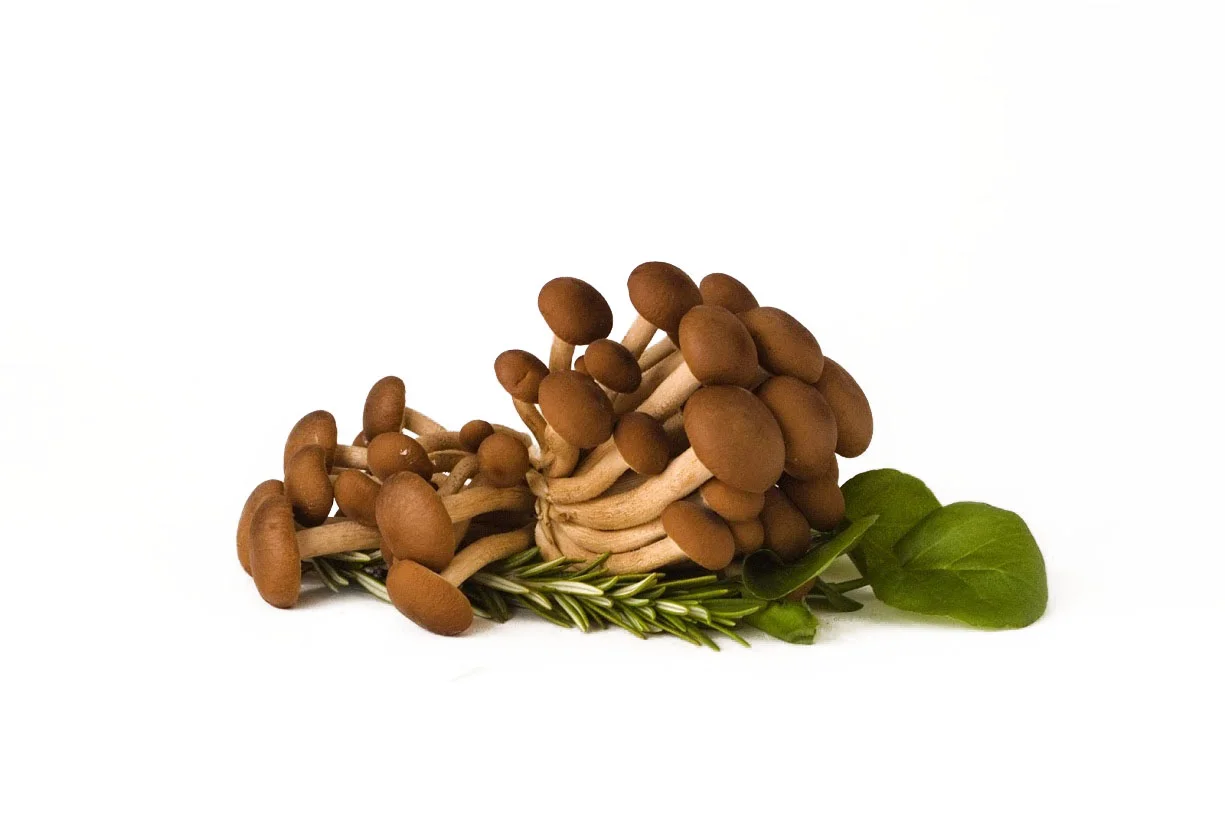
Agrocybe aegerita, also called Agrocybe cylindracea or Pholiota aegerita,[1] is a mushroom in the genus Agrocybe which is commonly known as the poplar mushroom[1] or velvet pioppini (Chinese: 茶树菇, literally "Tea Tree Mushroom"[2]). In Japan, it is called Yanagi-matsutake (Japanese:柳松茸).[3]
Source: Wikipedia
Agaricus bisporus is an edible basidiomycete mushroom native to grasslands in Europe and North America. It has two color states while immature—white and brown—both of which have various names.