

Wild Seasonal Greens

Urtica dioica, often called common nettle or stinging nettle (although not all plants of this species sting), is a herbaceous perennial flowering plant, native to Europe, Asia, northernAfrica, and North America, and is the best-known member of the nettle genus Urtica. The species is divided into six subspecies, five of which have many hollow stinging hairs calledtrichomes on the leaves and stems, which act like hypodermic needles, injecting histamine and other chemicals that produce a stinging sensation when contacted by humans and other animals.[1] The plant has a long history of use as a medicine, as a food source and as a source of fibre.
Source: Wikipedia
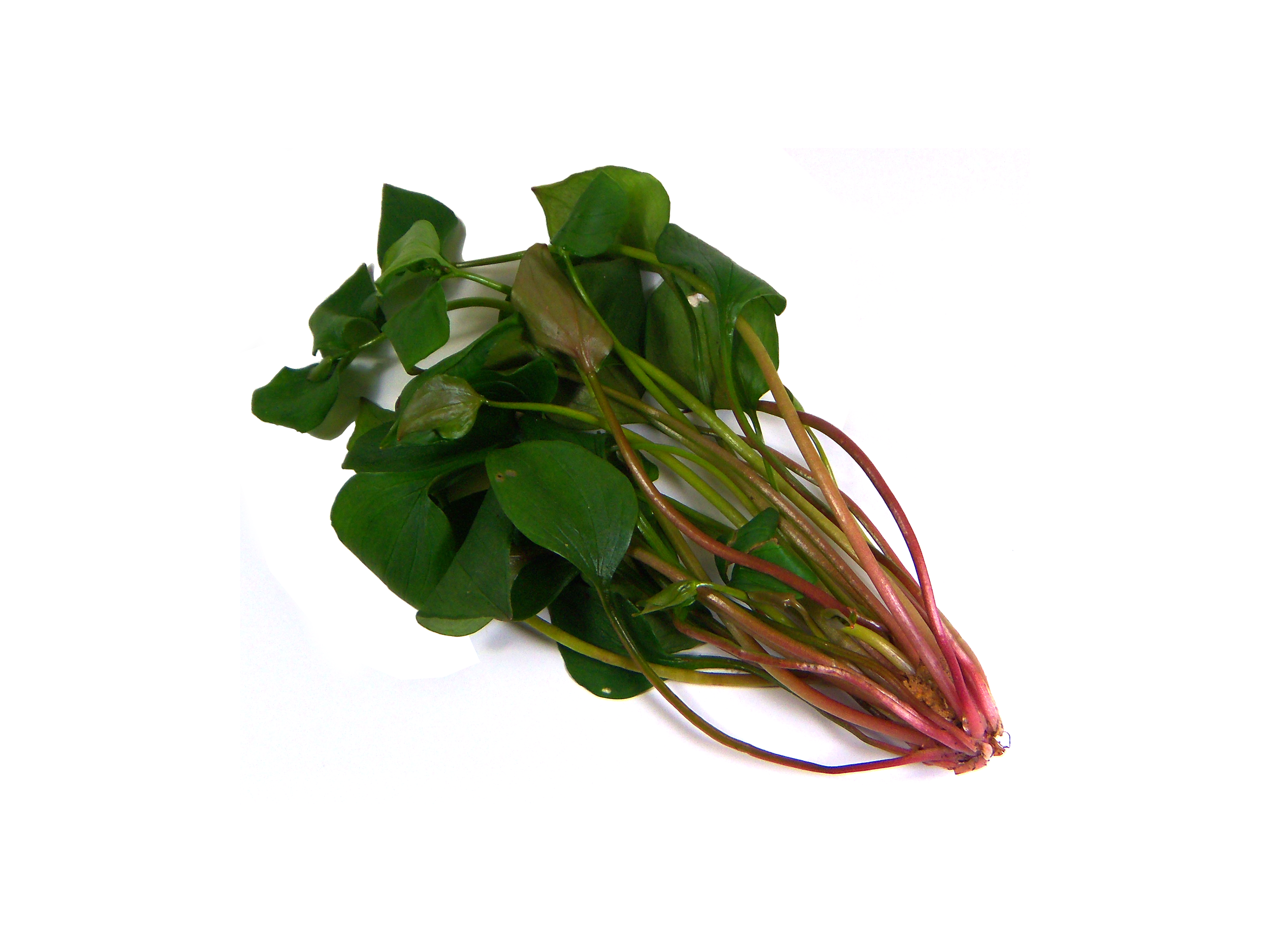
Claytonia perfoliata The common name miner's lettuce refers to its use by California Gold Rush miners who ate it to get their vitamin C to prevent scurvy. It can be eaten as a leaf vegetable. Most commonly it is eaten raw in salads, but it is not quite as delicate as other lettuce. Sometimes it is boiled like spinach, which it resembles in taste.
Source: Wikipedia

Watercress, with the botanical name Nasturtium officinale, is a rapidly growing, aquatic or semi-aquatic, perennial plant native to Europe and Asia, and one of the oldest known leaf vegetables consumed by humans. It is currently a member of the family Brassicaceae, botanically related to garden cress, mustard, radish and wasabi—all noteworthy for their piquant flavor.
Source: Wikipedia

Wild onion (Allium canadense), also known as Canada onion, wild garlic, meadow garlic, and Canadian garlic,[3] is a perennial plant native to eastern North America from Texas toFlorida to New Brunswick to Montana. The species is also cultivated in other regions as an ornamental and as a garden culinary herb.
Source: Wikipedia

Allium tricoccum (commonly known as ramp, ramps, spring onion, ramson, wild leek, wood leek, and wild garlic)[2] is a North Americanspecies of wild onion widespread across eastern Canada and the eastern United States.[1]
The ramp is a bulb-forming perennial with broad, smooth, light green leaves, often with deep purple or burgundy tints on the lower stems, and ascallion-like stalk and bulb. Both the white lower leaf stalks and the broad green leaves are edible. The flower stalk appears after the leaves have died back, unlike the similar Allium ursinum, in which leaves and flowers can be seen at the same time. Ramps grow in close groups strongly rooted just beneath the surface of the soil.[3]
Source: Wikipedia

A spruce is a tree of the genus Picea /paɪˈsiːə/,[1] a genus of about 35 species of coniferous evergreen trees in the Family Pinaceae, found in the northerntemperate and boreal (taiga) regions of the earth. Spruces are large trees, from about 20–60 metres (about 60–200 feet) tall when mature, and can be distinguished by their whorled branches and conical form. The needles, or leaves, of spruce trees are attached singly to the branches in a spiral fashion, each needle on a small peg-like structure
Source: Wikipedia

Salicornia is a genus of succulent, halophyte (salt tolerant) flowering plants in the family Amaranthaceae that grow in salt marshes, on beaches, and amongmangroves. Salicornia species are native to North America, Europe, South Africa, and South Asia. Common names for the genus include glasswort,pickleweed, and marsh samphire; these common names are also used for some species not in Salicornia.[1] The main European species is often eaten, called marsh samphire in Britain, and the main North American species is occasionally sold in grocery stores or appears on restaurant menus, usually as 'sea beans' or samphire greens or sea asparagus .
Source: Wikipedia

Asparagus, or garden asparagus, scientific name Asparagus officinalis, is a spring vegetable, a flowering perennial plant species in the genus Asparagus.
It was once classified in the lily family, like the related Allium species, onions andgarlic, but the Liliaceae have been split and the onion-like plants are now in the family Amaryllidaceae and asparagus in the Asparagaceae. Asparagus officinalis is native to most of Europe, northern Africa and western Asia,[2][3][4] and is widely cultivated as a vegetable crop.
Source: Wikipedia
Fiddleheads or fiddlehead greens are the furled fronds of a young fern,[1] harvested for use as a vegetable. Left on the plant, each fiddlehead would unroll into a new frond (circinate vernation). As fiddleheads are harvested early in the season before the frond has opened and reached its full height, they are cut fairly close to the ground.
Fiddleheads have antioxidant activity, are a source of omega-3 and omega-6 fatty acids, and are high in iron and fibre.